

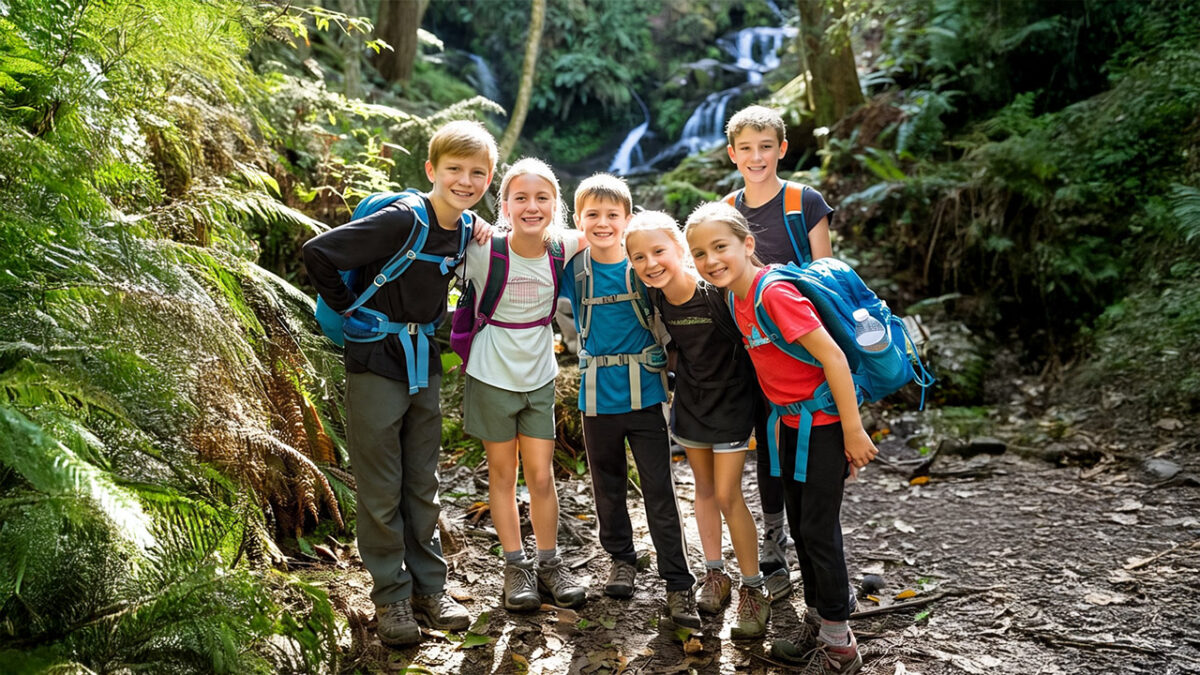
Summer creates the perfect conditions for empathy to flourish. Unlike the structured pace of the school year, these warm months offer families unique opportunities to slow down, connect, and build the emotional skills that will serve children throughout their lives. Here’s why summer is naturally designed for empathy development—and how to make the most of it.
The Science Behind Summer’s Empathy Advantage
Unstructured Time Fuels Emotional Growth
Research consistently shows that unstructured play is essential for emotional intelligence development. When children aren’t rushing from one scheduled activity to the next, they have precious time to process their own feelings and observe others’ emotions. This natural rhythm allows kids to reflect on relationships and practice perspective-taking without the pressure of academic demands.
Without back-to-back classes and rigid schedules, children can engage in the kind of free play that builds social skills naturally. They negotiate conflicts, share resources, and learn to read social cues—all fundamental building blocks of empathy.
Flexible Family Routines Enable Modeling
Summer’s relaxed schedule gives parents countless opportunities to model caring behaviors throughout the day. Whether it’s taking extra time to help a struggling neighbor or having mindful conversations during longer family meals, these moments become natural empathy lessons.
Studies show that authoritative parenting—warm yet structured—correlates with higher child empathy scores. Summer’s flexible pace allows parents to demonstrate perspective-taking in real-time, narrating their empathy: “That cashier looked tired; let’s thank her extra warmly today.”
Nature and Outdoor Play Invite Perspective-Taking
Encounters with the natural world and neighbors alike spark curiosity about others’ experiences. Research indicates that outdoor play enhances children’s ability to understand different viewpoints. When kids observe how a butterfly needs nectar or how a dog reacts to thunder, they’re practicing the same cognitive skills needed to understand human emotions.
Nature-based activities naturally promote empathy. Whether it’s wondering how a tree “feels” in summer heat or noticing how different animals have different needs, outdoor experiences expand children’s capacity for perspective-taking.
Transform Summer Activities into Empathy Builders
Discussion-Based Adventures
Instead of just enjoying summer activities, turn them into empathy-building conversations:
At the Movies or Watching TV:
- “How do you think that character felt when…?”
- “What would you do if you were in their situation?”
- “Why do you think they made that choice?”
Research shows that discussing characters’ emotions and motivations significantly improves children’s empathy skills. After watching a film, ask kids to identify different perspectives within the story and discuss how conflicts could have been resolved differently.
At the Grocery Store:
- “Let’s look for ways to help the cashier have a good day”
- “How do you think that person with the crying baby is feeling?”
- “What would make grocery shopping easier for someone using a wheelchair?”
These everyday moments become powerful empathy practice sessions. Encourage children to notice diverse customers and imagine their experiences.
Camping Trip Empathy Activities:
- “If animals could talk, what would they say about us camping here?”
- “How can we be kind visitors to this forest?”
- “What perspective would a park ranger have about our campsite?”
Pool and Park Conversations:
- “How do you think that child who’s swimming alone might be feeling?”
- “What would help someone who’s afraid of water feel more comfortable?”
- “If you were the lifeguard, what would you be thinking about?”
Nature Walk Perspective Games:
- “Let’s imagine we’re as small as that ant—what would this path look like?”
- “How do you think birds view our playground from above?”
- “What would a lost pet need to feel safe?”
Neighborhood Empathy Missions:
- “Let’s make chalk art to brighten someone’s sidewalk”
- “How can we help make our neighborhood more welcoming?”
- “What would make the mail carrier’s day easier?”
Service Learning Adventures:
- “When we volunteer at the food bank, let’s think about how grateful families might feel”
- “How do you think the elderly residents feel when we visit?”
- “What would you want if you were experiencing homelessness?”
Studies show that community service significantly increases empathy in children. The key is discussing the emotional impact before, during, and after service activities.
Making Empathy Stick Beyond Summer
Daily Empathy Check-ins:
- “What did you notice about how someone else was feeling today?”
- “How did you help someone feel better?”
- “What would you do differently if you could replay that interaction?”
Perspective-Taking Games:
- “Let’s tell the story of our day from the dog’s perspective”
- “How would grandma describe her visit with us?”
- “What would our neighbor say about our family?”
Research demonstrates that regular perspective-taking practice creates lasting empathy skills. These conversations help children internalize the habit of considering others’ viewpoints.
The beauty of summer empathy building lies in its natural integration into daily life. By transforming routine activities into opportunities for understanding others, families can use these warm months to cultivate the kindness and connection that will serve children long after school resumes.